
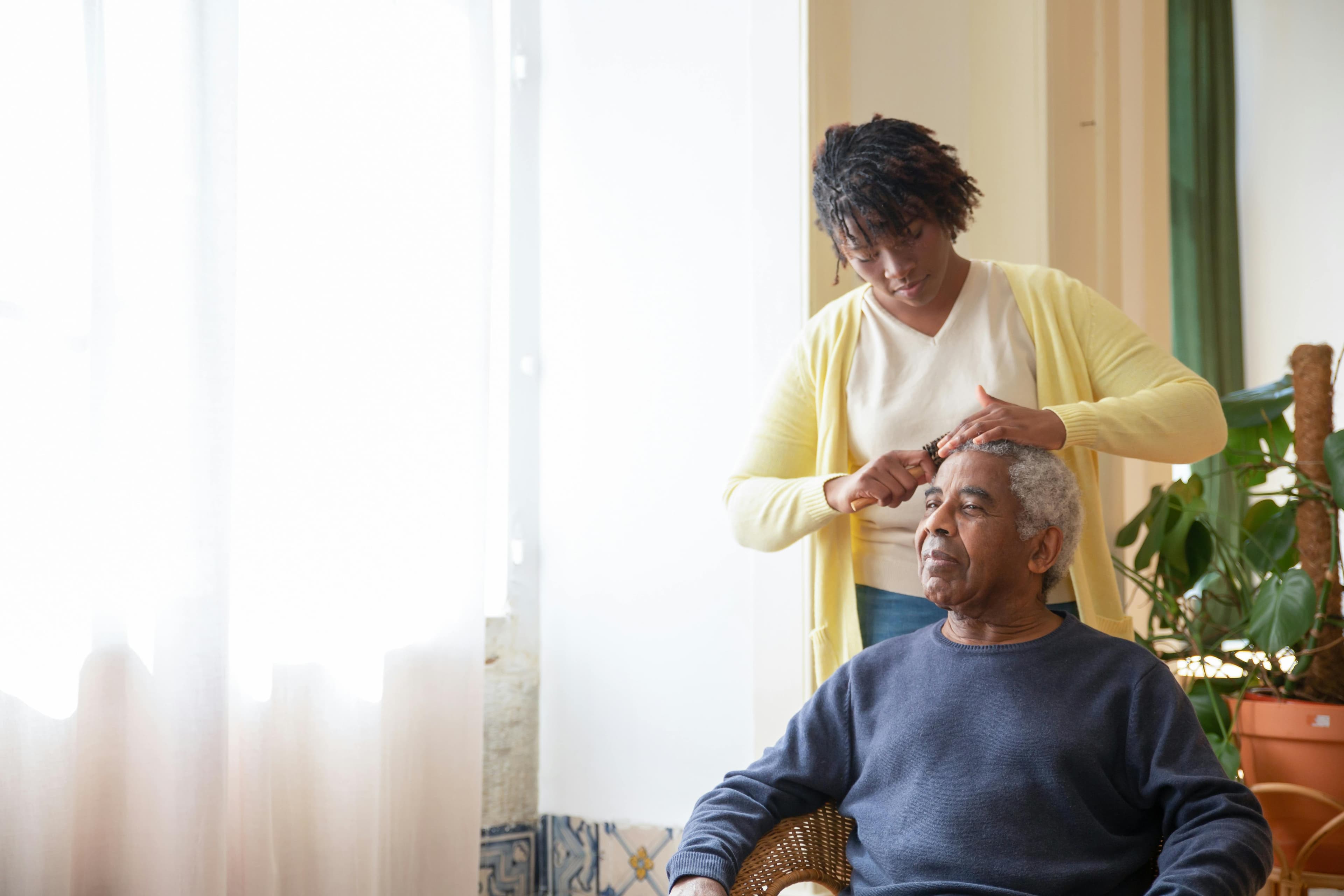
A family arranging dementia care from outside Seattle may know the medical history but not every part of the current day. Start with a careful account of routines and assistance needs at home. The person receiving care, family contacts and relevant professionals may each have information the care assessment needs.
Explain the home as well as the routine
Share how the person recognizes visitors, communicates a preference and spends a comfortable afternoon. If the home is in a building with shared spaces, discuss how access and accompaniment work. A secured entrance or staff member at a desk is not a substitute for assessed individual supervision. Personal history can help a caregiver connect, but it should not overshadow the person’s current wishes.
Make support gaps visible early
Identify the periods between family contact and paid visits. If supervision is required then, the plan needs actual coverage rather than an assumption that somebody will check in. Seattle’s Age Friendly page points families toward Community Living Connections for separate community resource inquiries. Ask the clinical team about new symptoms or changes; nonmedical caregivers can share observations but cannot diagnose their cause.
- Agree which family contact receives routine updates.
- Document nighttime needs separately.
- Review the plan if a familiar activity becomes difficult.
Questions families ask
Can home care support someone in the early stages of dementia?
Discuss the person’s actual needs rather than relying on a stage label. An assessment should consider daily tasks, communication and supervision, along with professional guidance and the client’s preferences.
Can you guarantee the person will remain at home?
No. Suitability depends on changing needs, available support and professional assessment. Home care can be one part of a plan, but no service should promise that it will always be enough.
Planning around local support
Seattle’s Age Friendly resource page directs older adults and family caregivers to Community Living Connections for help finding aging and disability services. It is a separate community resource, not a booking service for Prestigious Homecare.
Find Community Living Connections and city links for aging-related information, community activities and practical support options.
City of Seattle: Age Friendly resourcesThis is an independent resource, not a partner or a guarantee of eligibility. Confirm current services directly.