
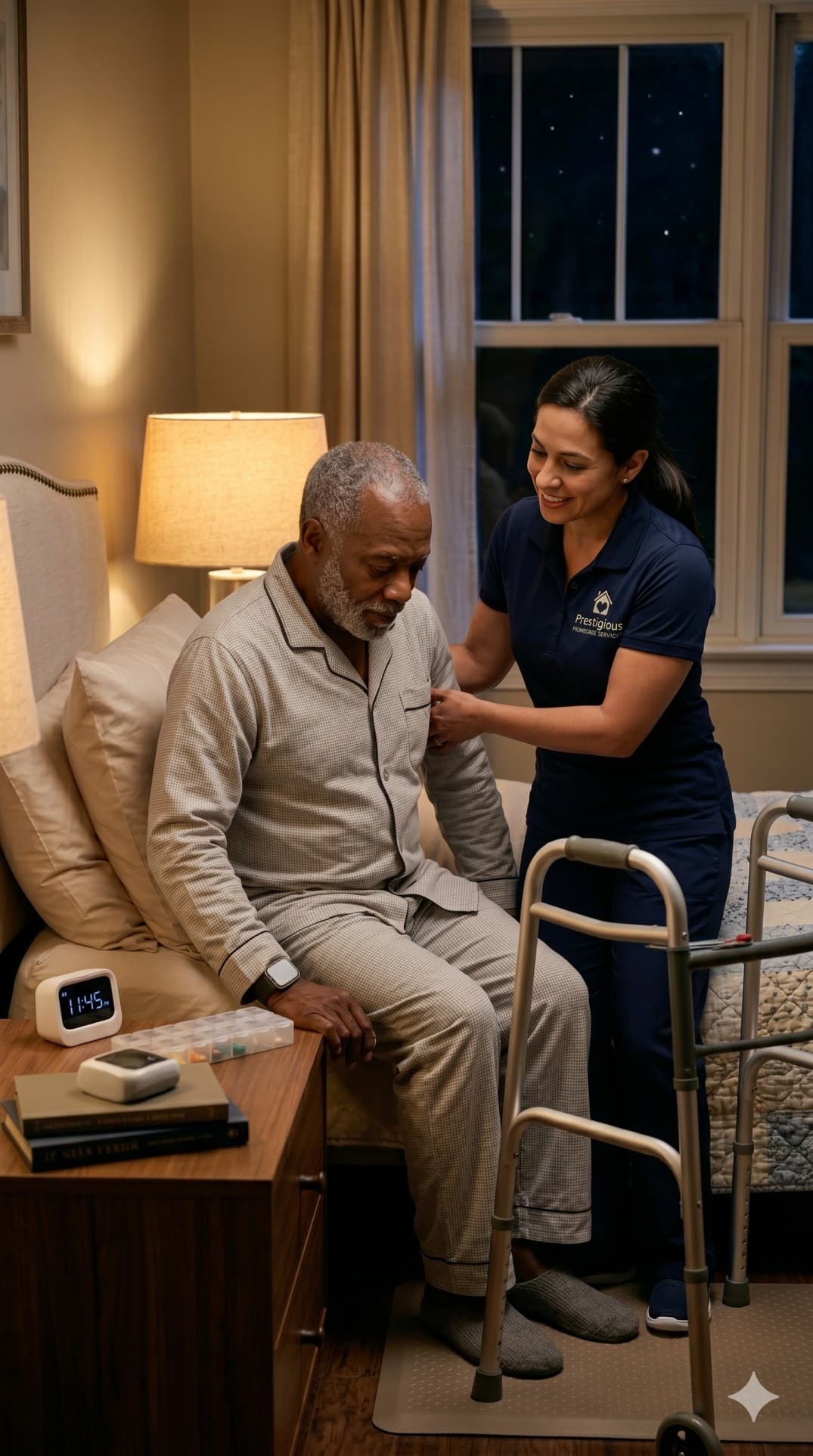
The distance from a favorite chair to the bathroom can matter more than a long walk outside. In a Puyallup home, mobility planning should follow the routes someone actually uses. Explain where they hesitate, what support they currently rely on, and any instructions from their clinician or therapist.
Assess the task before offering a hand
Getting up from a chair, using stairs, and moving into a vehicle are different tasks. Describe each one rather than requesting general help walking. The care team must determine whether the required assistance, equipment, and staffing are within scope. Relatives should not assume one caregiver can safely perform every transfer.
Connect the home plan to outings
If an appointment or Puyallup activity is on the calendar, check the destination’s entrance and seating arrangements. Discuss the return home too, when the person may want a rest. Caregiver assistance can support an agreed routine, but cannot guarantee that a fall will not occur or replace rehabilitation from a qualified therapist.
Questions families ask
Will a caregiver choose a walker for us?
Ask a qualified clinician or therapist about suitable equipment and fitting. Share their instructions during the assessment so the home-care plan does not depend on guesswork.
What happens if walking becomes harder?
Report the change and seek appropriate clinical advice. The coordinator should review whether the existing level of help remains suitable before continuing the same approach.
Planning around local support
If the Puyallup Activity Center is part of your routine, include those outings in the care conversation. Community activities and help at home can serve different needs; one does not automatically replace the other.
The city publishes Activity Center programs, trips, registration information, and contact details. Check directly for current arrangements.
City of Puyallup Senior ServicesThis is an independent resource, not a partner or a guarantee of eligibility. Confirm current services directly.