
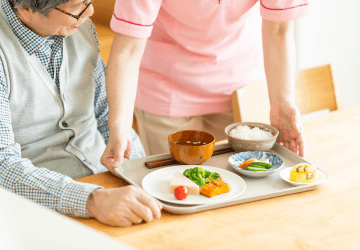
A refrigerator full of groceries is not much help if standing at the counter has become exhausting. For a Puyallup household, meal support may mean preparing breakfast during a visit or leaving an easy lunch for later. Start with favorite foods and the part of cooking that has become difficult.
Separate shopping from cooking
Write down who buys groceries, how the budget is handled, and whether ingredients will be available when the caregiver arrives. Include allergies and any written dietary instructions from the clinical team. Caregivers can work within an agreed meal plan; they do not prescribe a diet or assess swallowing problems.
Think about the next meal too
Discuss portion sizes, containers the person can open, and clear reheating instructions. If some lunches happen outside the home, avoid preparing food that will go unused. Plan the days between visits as carefully as the visit itself, including who checks that the person can manage the meal independently.
Questions families ask
Can someone cook alongside the caregiver?
Yes, that can be a useful preference to discuss. Agree on tasks the person enjoys and can manage comfortably, while the assessment addresses any safety concerns.
What if there is less appetite than usual?
Tell the family contact and seek advice from the person’s clinician when appetite or eating changes are concerning. Meal support does not diagnose the cause or replace medical evaluation.
Planning around local support
If the Puyallup Activity Center is part of your routine, include those outings in the care conversation. Community activities and help at home can serve different needs; one does not automatically replace the other.
The city publishes Activity Center programs, trips, registration information, and contact details. Check directly for current arrangements.
City of Puyallup Senior ServicesThis is an independent resource, not a partner or a guarantee of eligibility. Confirm current services directly.