
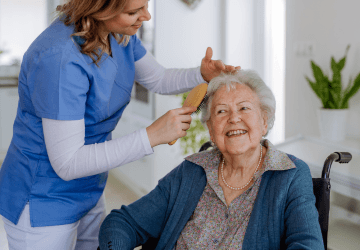
When two people have lived together for years, asking for outside help can feel like changing the relationship. In a Lakewood household, personal care may let a spouse stop struggling with a difficult task while still sharing the rest of the morning. Both people’s preferences deserve attention.
Ask what is difficult for each person
The person receiving help may want more privacy. Their partner may be worried about providing physical assistance. Explain both concerns during the assessment, including any task that currently feels unsafe. The plan should not depend on a spouse continuing work they cannot comfortably or appropriately perform.
Keep ordinary plans in the conversation
If the couple wants to attend a Lakewood activity together, ask what preparation must happen before they leave. Dressing assistance or help with grooming may be the missing piece. Confirm how those tasks fit within the visit and who handles transport. Include personal preferences about clothing, pace, and when help should be offered.
Questions families ask
Does a care plan cover both partners?
Do not assume that one assessment or visit covers two people’s care. Explain both sets of needs and ask how separate responsibilities and service terms would be handled.
Can a partner observe the care routine?
Discuss the person’s consent and the purpose of observing. If a task needs clinical instruction, obtain that from the appropriate professional rather than treating a home-care visit as training.
Planning around local support
The city’s Senior Activity Center page lists activities and their locations. Check the location for the particular event, rather than assuming every program takes place in the same building.
City information about social and exercise activities, registration, locations, and program contacts. Confirm current details directly before planning an outing.
Lakewood Senior Activity CenterThis is an independent resource, not a partner or a guarantee of eligibility. Confirm current services directly.